

The situation
In 2012, Brendan was leading the Microsoft Dynamics Licensing Solutions team within the broader Microsoft Dynamics Global Licensing Solutions organization, carrying a $1.4B annual revenue target.
Microsoft had no Formula One technology partnership at the time and was looking for high-profile reference accounts for its enterprise software. The sport was a global stage, but the commercial structures that technology companies now use to participate in it had not yet been established.
The question was whether a Formula One partnership could be structured in a way that made commercial sense for Microsoft. The answer had to combine enterprise software deployment with brand exposure, rather than treating them as separate transactions with separate budgets.
Lotus F1 was the partner. The team was competitive and globally visible, and operated at a scale where enterprise technology infrastructure mattered to the business.
The approach
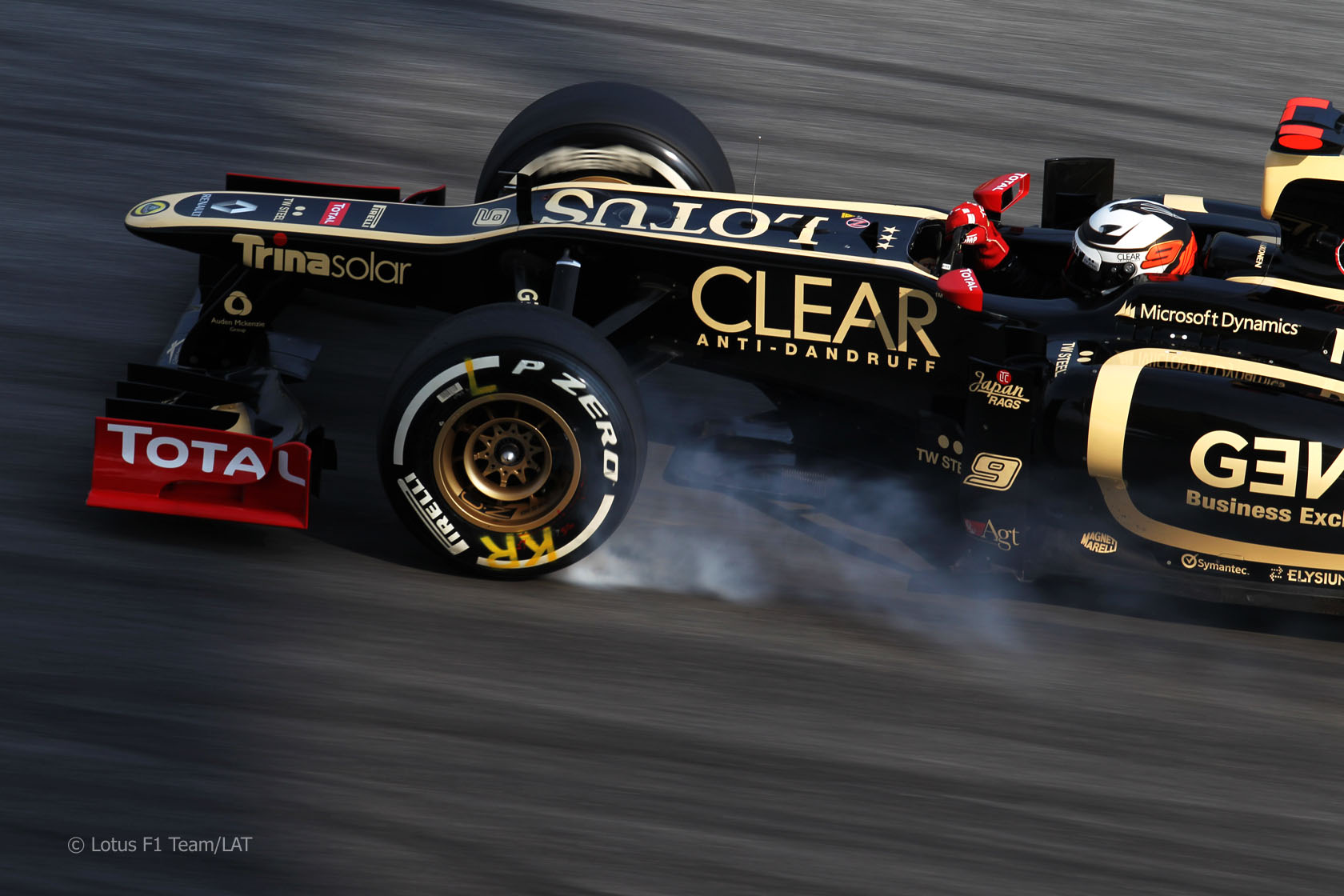
The deal combined three things in a single commercial transaction. Microsoft Dynamics AX software and services were deployed at Lotus F1, creating operational value for the team. The Microsoft Dynamics name went onto the Lotus F1 car, with trackside and broadcast-visible placement that carried the brand into one of the world's most-watched sports. And Microsoft received naming rights on the team's technical center, extending the brand presence beyond race weekends into the team's permanent infrastructure.
Internally, the deal was not a foregone conclusion. Microsoft's advertising organization did not know about the opportunity at the outset. The branding components came out of customer discussions rather than from any pre-existing advertising plan. Lotus F1 did not have the budget for a conventional enterprise software purchase, so the branding became part of the value exchange that made the deal commercially viable for both sides. Once the advertising organization learned of the structure, they escalated to Steve Ballmer. The CEO came to Brendan to evaluate the deal architecture and gave it immediate support. Close the deal and deploy the technology with Lotus F1.
The total structure came to approximately $11M in software and services plus $1M in cash, a combined deal value of approximately $12M. The architecture mattered as much as the number. By combining software, marketing, and partnership value into one transaction, the deal avoided the fragmentation that usually happens when technology and marketing budgets are managed separately. Each component reinforced the others.
The logic was replicable. A technology company could participate in Formula One at scale by treating the partnership as an enterprise deployment opportunity with brand exposure built in, rather than by writing a pure sponsorship check. That framing changed the economics on both sides.
The outcome
The deal was executed at $12M total value. The real significance was what the structure demonstrated. A technology company could participate in Formula One as an enterprise partner rather than a conventional sponsor, and the commercial model could deliver software deployment, marketing, and brand value in a single design.
The structure became a template. Technology-company participation in Formula One has expanded substantially in the years since, and the model of enterprise deployment combined with branded sponsorship is now standard across the sport. Microsoft's reported partnership with Mercedes AMG Petronas, cited in public sources at more than $60M per year, reflects how far the model has scaled.
Why it matters
The novel element of this structure was the combination of enterprise software deployment and branded sponsorship in a single commercial transaction. Neither component was new on its own. Technology companies had deployed software at sports organizations before, and technology brands had appeared on Formula One cars before. What was new was treating them as one transaction. The software and the marketing were priced and delivered as a unit. That is a commercial architecture decision rather than a marketing decision, and it changes what a partnership can be worth to both sides.